Svetlana Fenster, interactive installation You Are Here

Svetlana Fenster · interactive installation · 2026

You Are Here

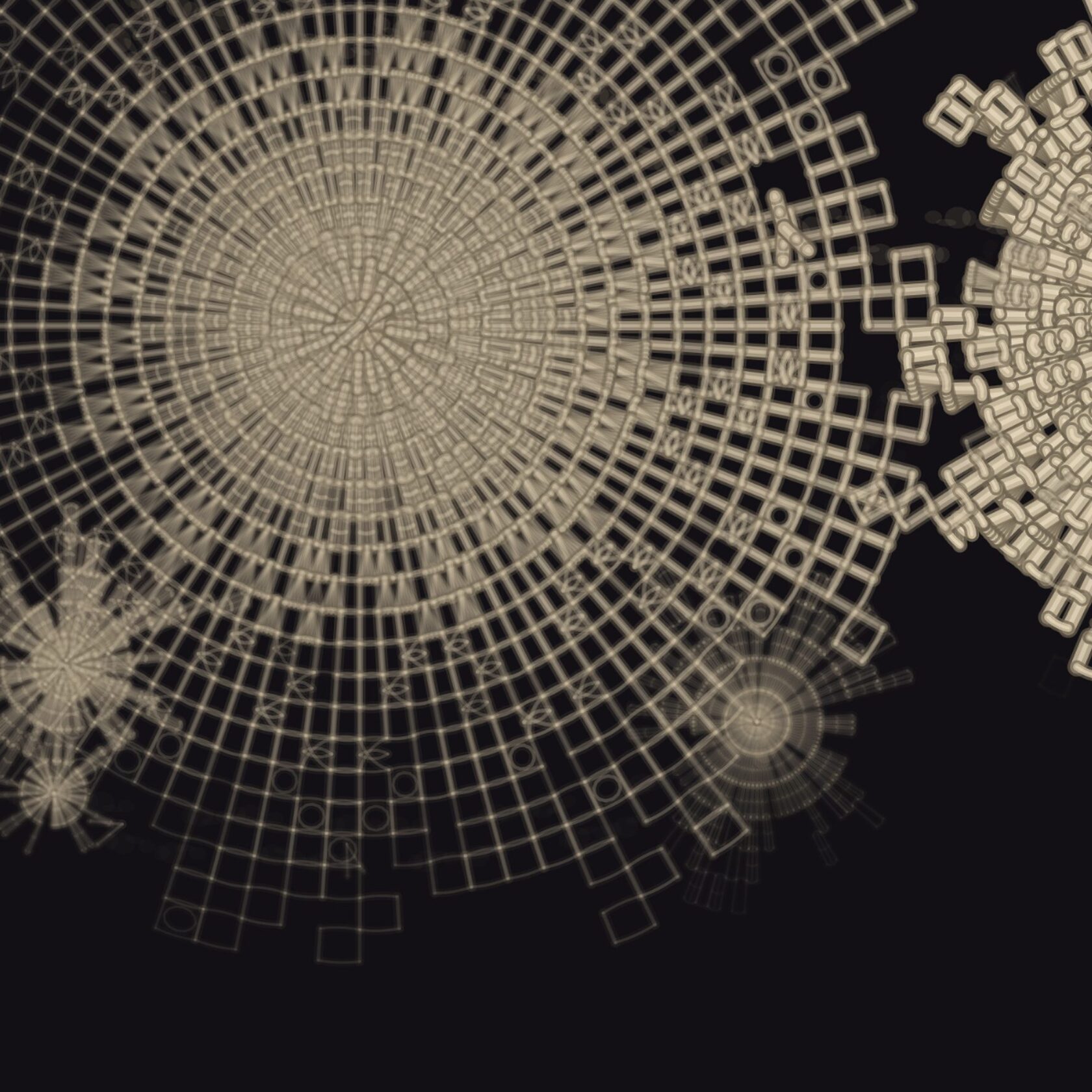
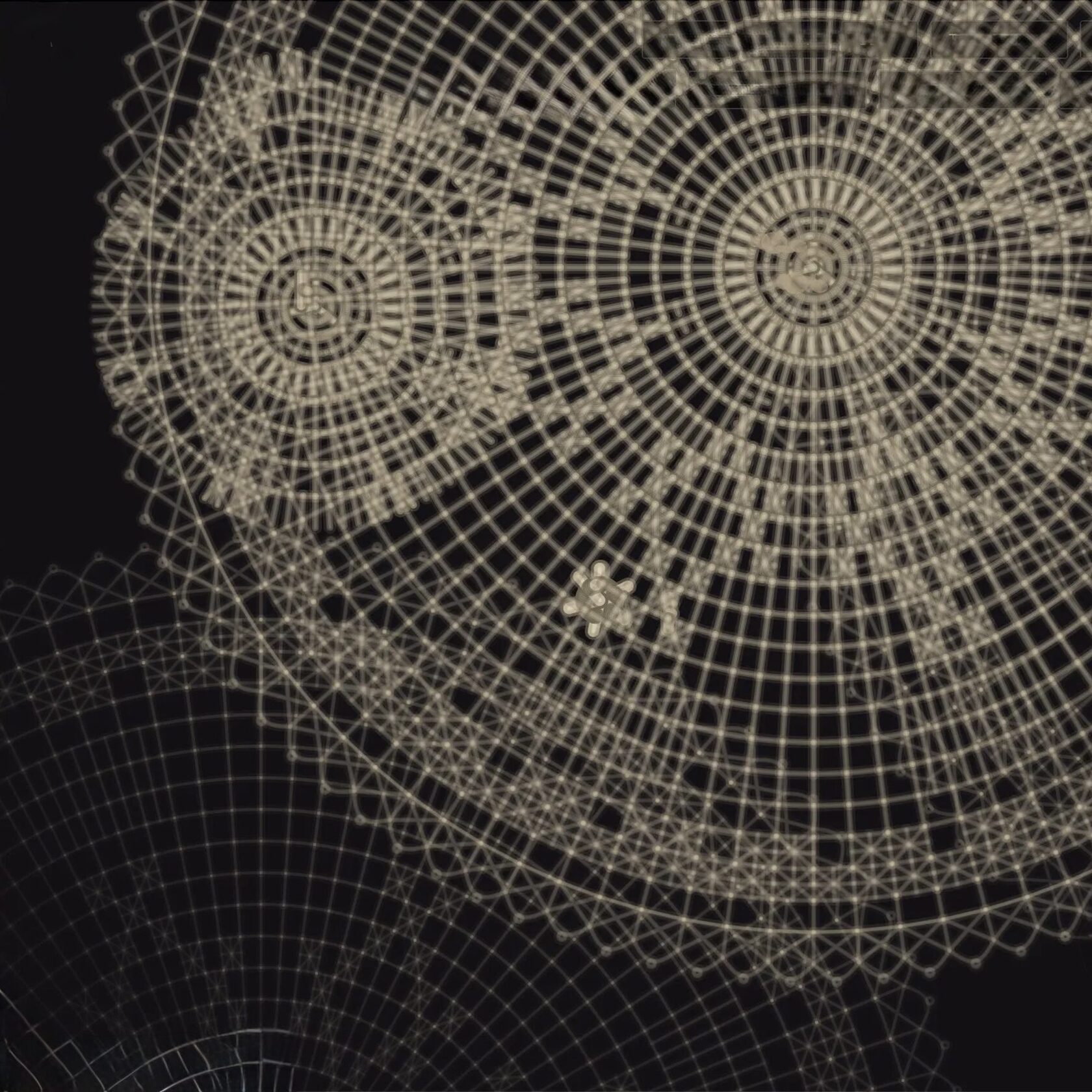
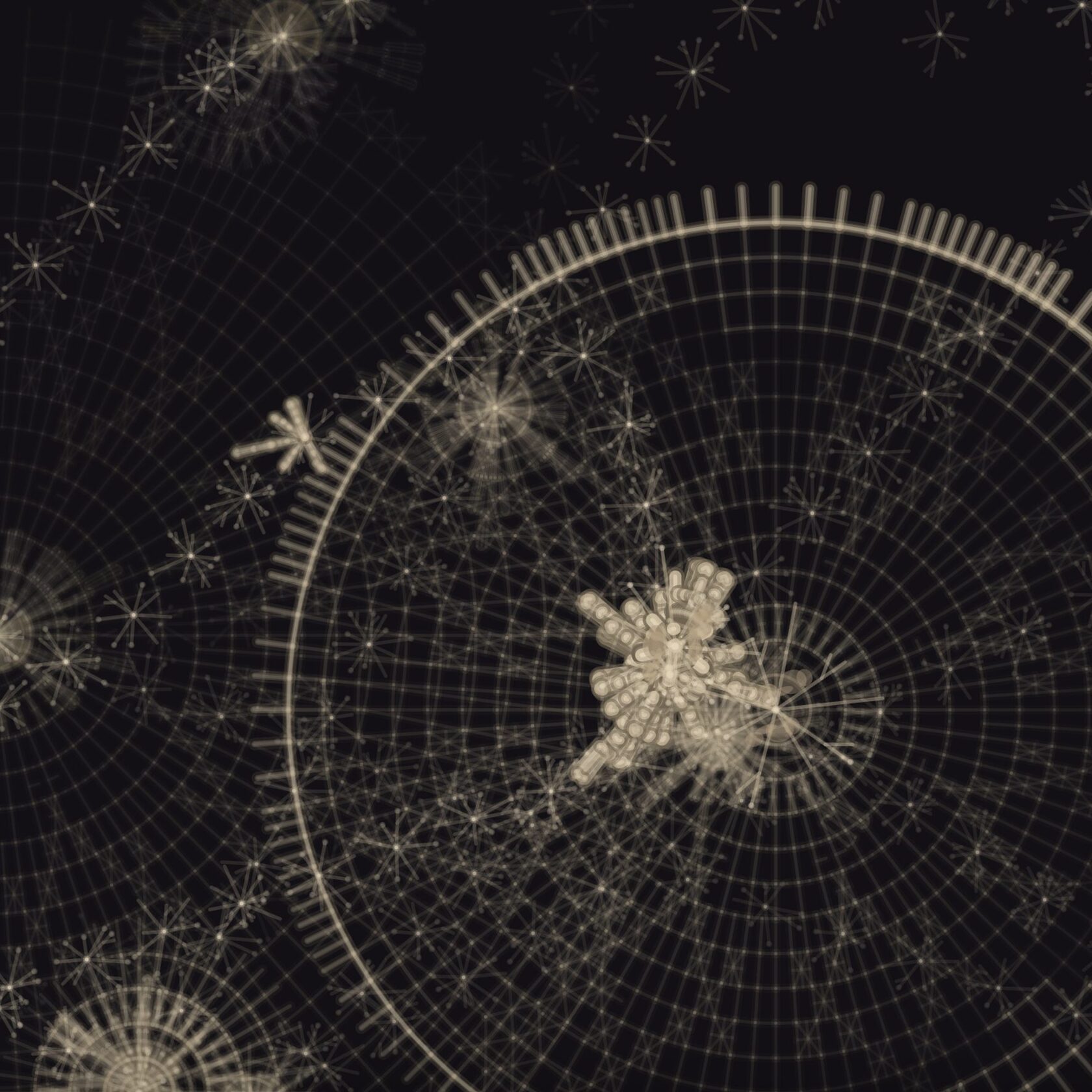
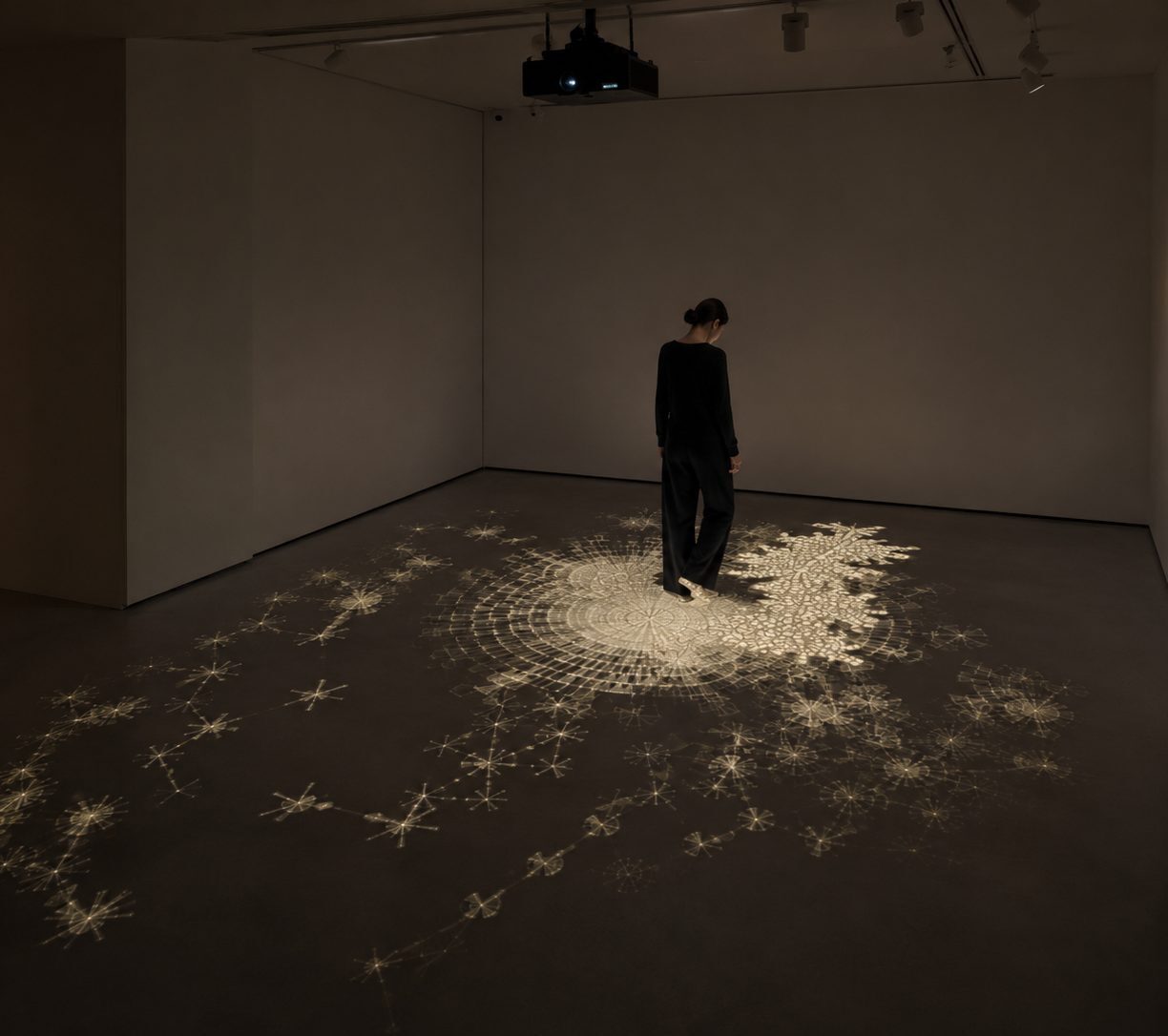
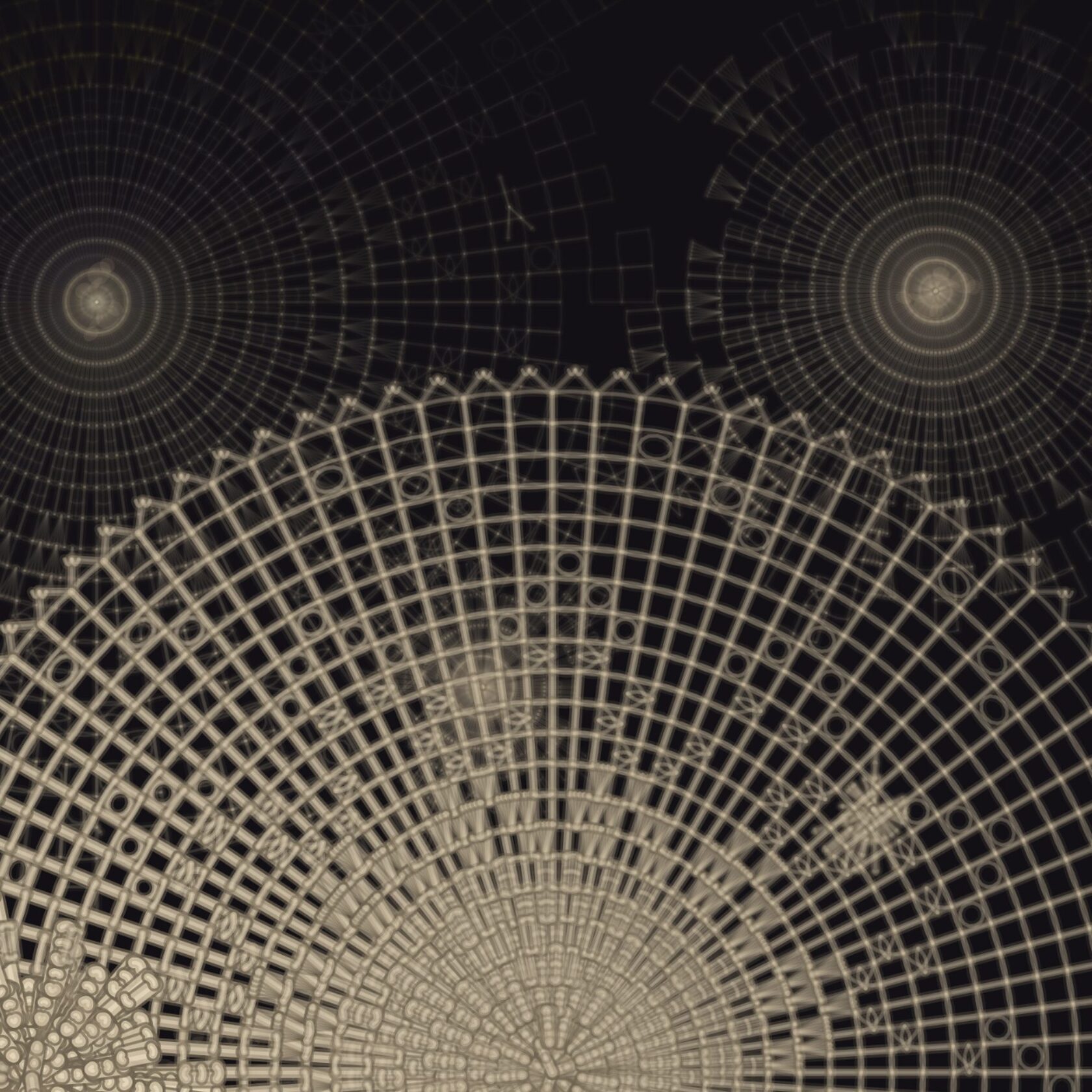
The interactive installation “You Are Here” makes the work of memory physically tangible. The viewer steps into the field of a floor projection. Under their feet, digital lace begins to grow. The longer a person stays in place, the denser the pattern. Movement adds new threads, while the abandoned areas slowly unravel. After the viewer leaves, the pattern keeps changing until the memory of their presence has unravelled completely.

How it works

The scientific basis sets the rules of the system, and the form takes shape from those rules before the viewer’s eyes. Below are six scientific foundations read in the language of lace: an observation from science and its trace in the pattern.

Svetlana Fenster, Census

Family lace

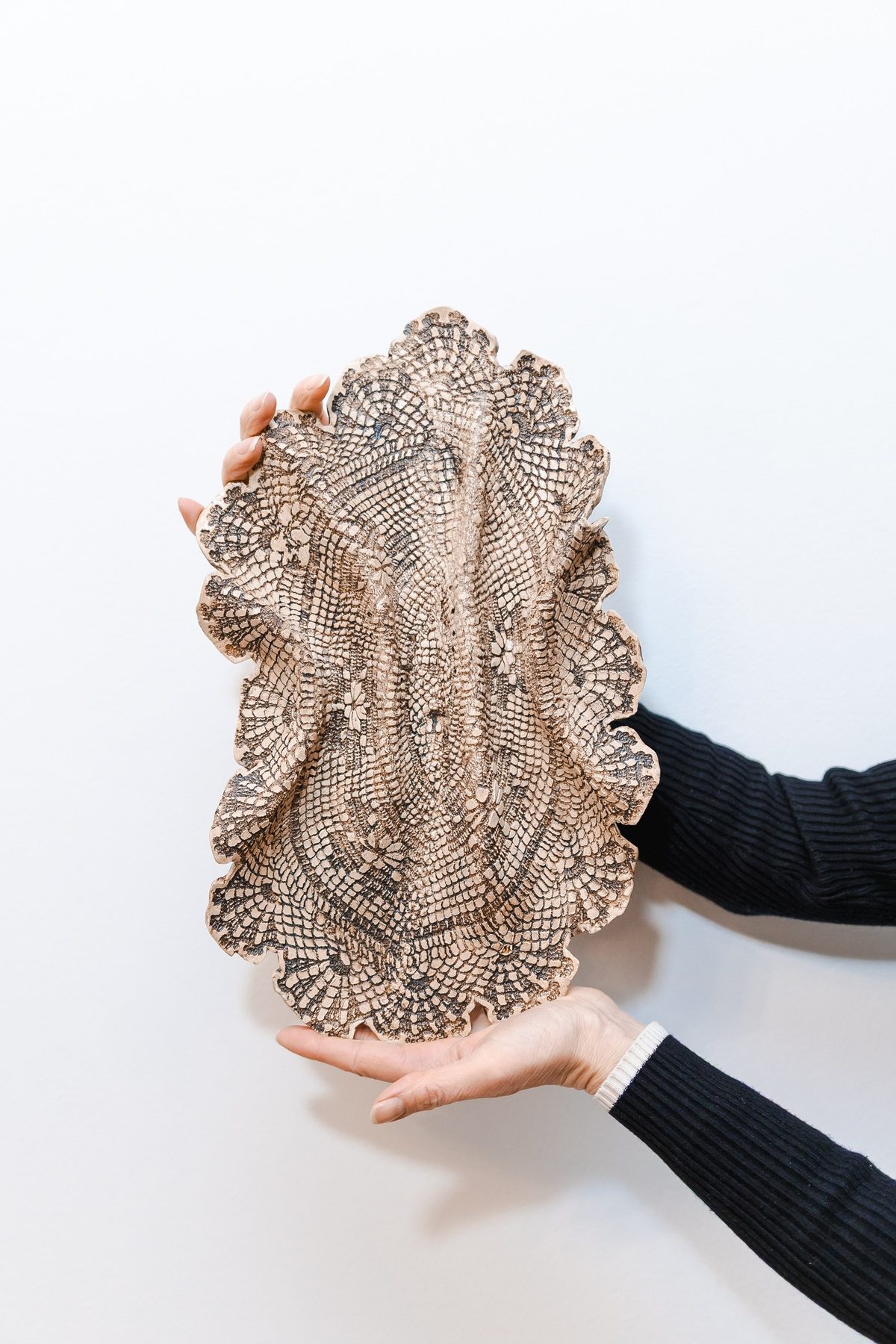
At the core of the work is filet lace crocheted by the women of my family. The project reads it as a ready-made structure of memory: a network of knots, voids and connections. Earlier, the lace passed into a ceramic imprint, where the soft became hard and the void acquired a material body. In the digital environment this structure changes its medium once more and begins to respond to the viewer’s presence.

The work speaks of memory not as complete preservation but as a process that depends on presence and time. The live installation exists in the present and disappears. The print series “You Were Here” records individual states of the system and turns a vanished moment into a physical archive. This gives the project two times that do not coincide: the live process and the trace it leaves behind.

Scientific basis

Six foundations

Frame 01 · Fenster_1

01

Forgetting

Hermann Ebbinghaus · 1885

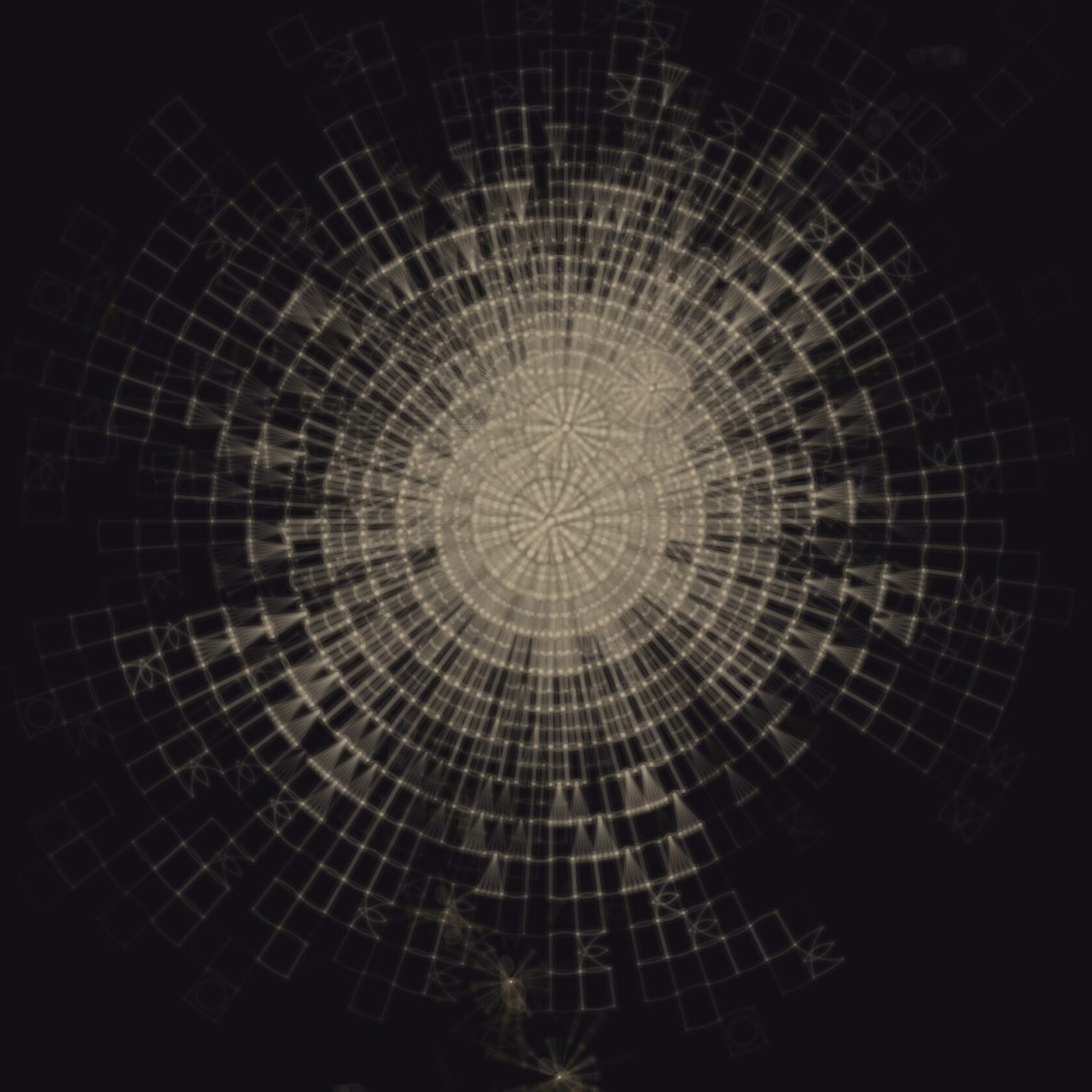
When a person steps away, the pattern does not go out all at once. The thin outer loops vanish first, then the rings; the dense core holds longest.

This is how a person forgets. In 1885 Hermann Ebbinghaus memorised meaningless syllables and measured how much remained after an hour, a day, a week. The curve drops steeply at first and flattens later, and what was repeated more often holds longer. The lace fades along the power-law forgetting curve described from Ebbinghaus’s data*: each loop has its own “memory time”, accumulated through attention.

* The power-law form of the forgetting curve on Ebbinghaus’s data was shown by John Wixted and Ebbe Ebbesen in 1991.
Frame 02 · Fenster_2

02

Reconstruction

Frederic Bartlett · 1932

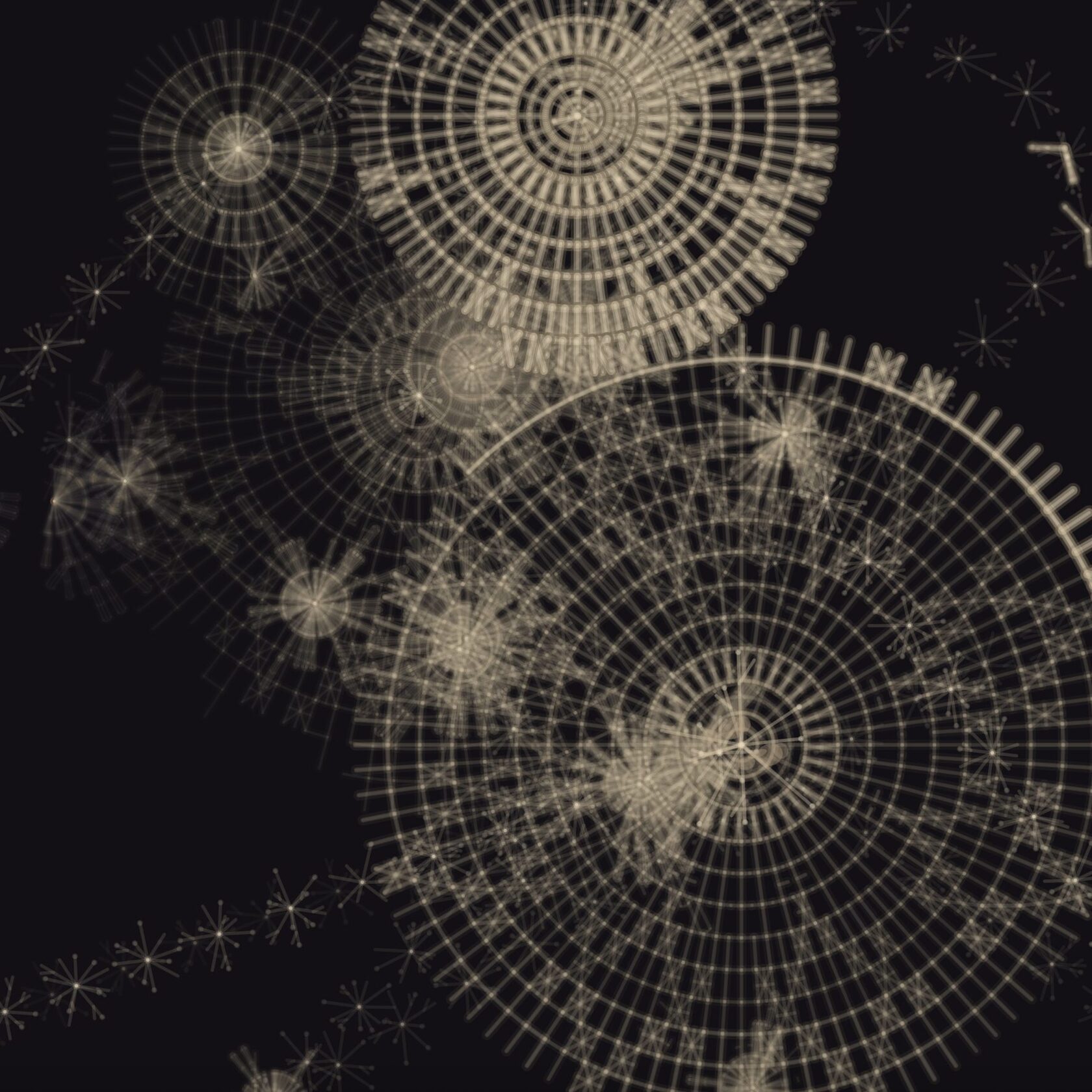
Between two places where a person lingered, a thread lies down. No one stood there — the lace completes the connection on its own.

In 1932 Frederic Bartlett asked people to retell a story after days and months. No one reproduced it literally: each filled in what was missing so that it held together. Memory does not replay a recording; it assembles the event anew from what is left and fills the gaps. The connecting thread on the floor is a gap filled in.

Frame 03 · Fenster_3

03

Radius of attention

Charles Eriksen, James St. James · 1986

The pattern grows only around the person standing, and the farther from the feet, the thinner it is. Beyond the edge of the circle nothing is woven. The longer the stop, the wider the circle — up to two metres.

Attention is wider than a point; it settles as a spot with a soft edge. In 1986 Charles Eriksen and James St. James compared it to a zoom lens: the longer you look, the wider the field. And only what falls inside the spot is written into memory. A passing step leaves a thread; a stop leaves lace.

Frame 04 · Fenster_4

04

Reconsolidation

Karim Nader · 2000

A person returns to a place where they already stood. The old pattern comes back to life exactly under the returning feet, and a new one begins to grow beside it.

In 2000 Karim Nader showed that each time a memory is retrieved, it becomes fragile and is rewritten anew. Each time we remember, we get a fresh version, slightly different. Returning does not restore the previous pattern — it weaves the next one over it.

Frame 05 · Fenster_5

05

Interference

Elizabeth Loftus

While something new is being woven in one zone, the old lace beside it fades faster. Each new stop is a layer under which earlier traces age.

For decades Elizabeth Loftus studied how new information changes what is already recorded: witnesses “remembered” details that never existed if those details were suggested after the event. The new arrives and changes the conditions in which the old holds.

Frame 06 · Fenster_6

06

Engram

Richard Semon · 1904 — Susumu Tonegawa · 2012

Lace is knots and the connections between them. Small patterns flare up at the walker’s steps, each lighting up at once, whole.

An engram is the trace of memory in the brain. Richard Semon named it in 1904, and in 2012 Susumu Tonegawa’s laboratory used light to switch on the cells that had been active during memorisation, and a mouse remembered something that was not happening. A single memory is a group of cells that flare up together. The memory is stored in the pattern of connections between them. The filet net — knots, voids, connections — is built the same way. Hence the lace.

Why the digital medium

Lace has changed its medium before: from soft thread it passed into ceramics, where fired clay held the form. The digital medium can do what clay could not: weaken, rearrange itself, respond to a return and erase its own past. Here the structure of lace acquires behaviour.

Technically, such work became possible only recently. A depth sensor sees a person’s position in the dark without storing their image; the pattern is woven in real time, sixty times a second. Lace crocheted by hand a hundred years ago receives a medium that could not have existed when it was made. What interests me is what happens to memory when it changes its medium, and what allows a form to hold over time.

Frames — the print series “You Were Here”, a record of real states of the installation.

© Svetlana Fenster, 2026