Echo. Kiy, Sentinel-1
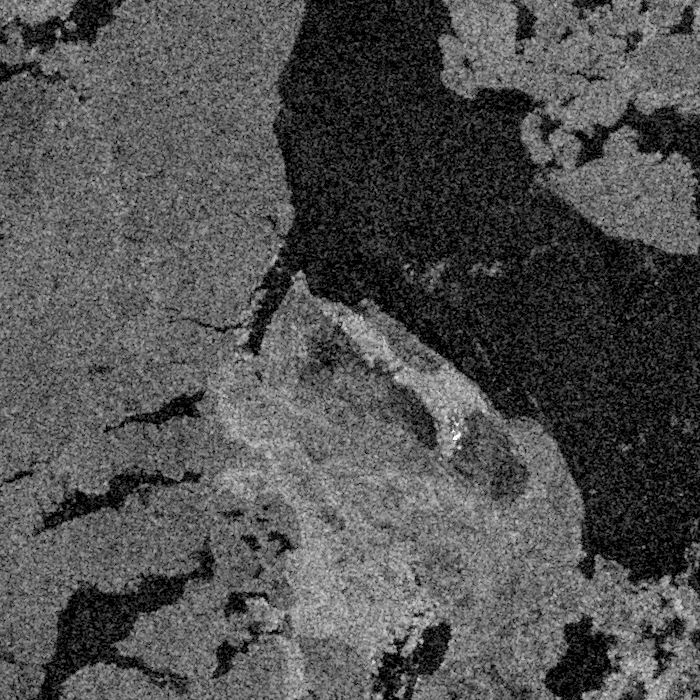
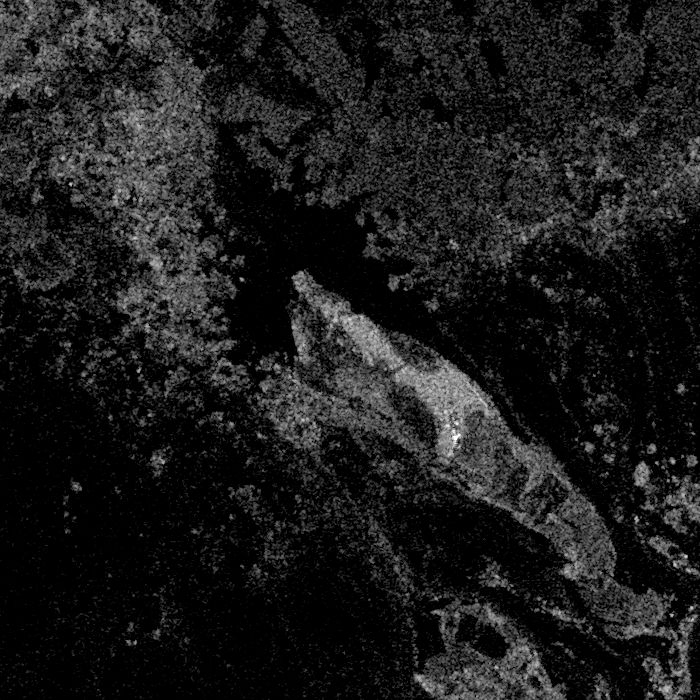
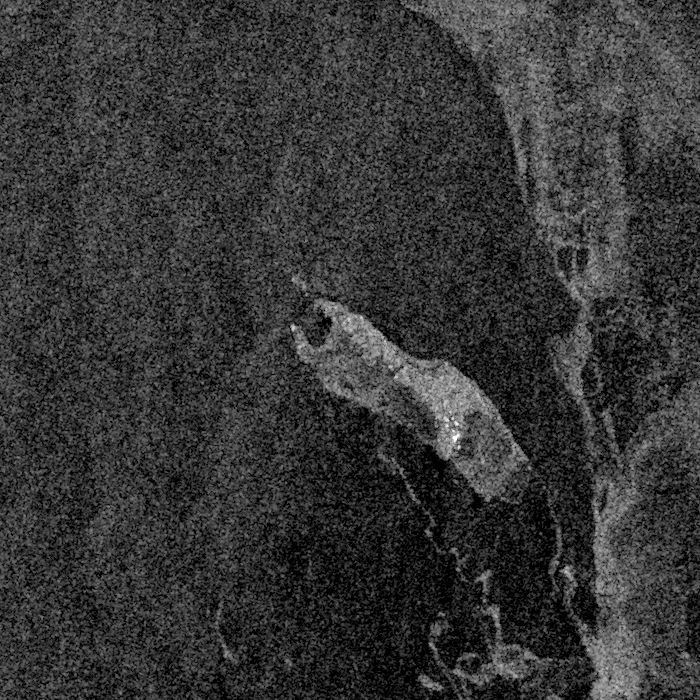
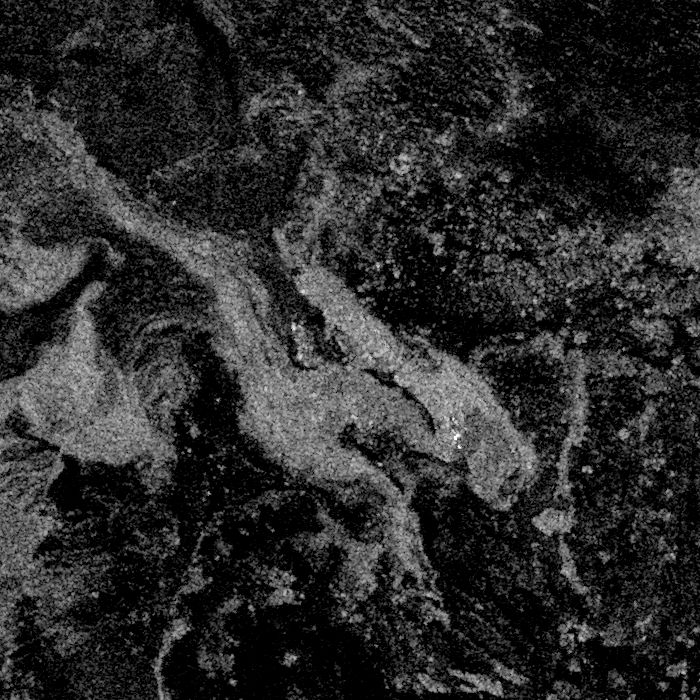
Echo here is an instrument with the physics of reflection, and the myth is derived from the data. In Ovid, Narcissus sees his own face in the water. Echo is punished: she cannot speak first and repeats the last words of whoever addresses her.
Above Kiy Island in the White Sea, Narcissus becomes an optical satellite. It needs light, and in winter, at this latitude, the sun stays too low for it. A radar image is an echo. The radar sends out waves and collects the reflections that return.
The echo returns in subsequent images. Every 12 days the radar passes over Kiy on the same orbit, at the same angle and at the same hour. Each new frame resembles the previous one and never coincides with it.
The smooth water Narcissus gazes into is mute for Echo. The wave is deflected away from it. The ice and the granite of Kiy sound back. In Ovid, all that remained of Echo were her voice and her bones, and the bones turned to stone.
Selected are only the frames from days when the optical satellite above the island was silent. Of Kiy, a single voice remains then. Only the dark months are accepted, the answers fade, and silence is built in.
At its base are a specific place and an eleven-year archive with its own events. After a technical failure the radar's voice weakened for three years, and this is visible in the work itself.
Svetlana Fenster
2026
Web art, interactive web page with sound
Data. ESA Copernicus Sentinel-1 GRD radar imagery of Kiy Island in the White Sea, November, December and January 2016–2026, 94 frames. The frames are selected by comparison with the Sentinel-2 optical archive of the same site.
Technique. HTML, CSS and JavaScript, canvas and Web Audio API. Data retrieved with a custom Python pipeline via the Copernicus Data Space APIs.
Part of the research Solar Time, Lunar Time.
Contains modified Copernicus Sentinel data 2016–2026.